
Feeding your dog the right food is very important for its health and happiness. Dogs need a balanced diet that includes protein, healthy fats, vitamins, and minerals. High-quality dog food helps support strong muscles, healthy skin, good digestion, and daily energy. Many pet owners prefer natural dog food made with real meat and simple ingredients because it is easier for dogs to digest.
Both dry dog food and wet dog food can be healthy choices when they contain quality ingredients. Puppies usually need more nutrients for growth, while adult dogs need balanced meals to maintain a healthy weight. Dogs with sensitive stomachs may benefit from food with fewer ingredients and added probiotics.
Always provide fresh water and follow a regular feeding schedule. Choosing healthy dog food and proper portions helps your dog stay active, strong, and happy for many years.
1. Why Healthy Dog Food Matters
Every dog owner wants their pet to live a long and happy life. One of the most important parts of dog care is feeding the right food. Healthy dog food gives your pet the nutrients it needs to stay strong, active, and healthy.
Dogs need a balanced diet just like people do. A good dog diet includes protein, healthy fats, vitamins, and minerals. These nutrients help support strong bones, healthy skin, good digestion, and a shiny coat. When a dog eats high-quality food every day, it usually has more energy and better overall health.
Many dog owners today prefer natural dog food or organic dog food. These foods often contain fewer artificial ingredients and more real meat and vegetables. Natural ingredients are easier for dogs to digest and can help prevent many common health problems.
Without proper nutrition, dogs may develop issues such as weak muscles, skin problems, or digestive troubles. That is why choosing healthy dog food is one of the best decisions you can make for your pet.
2. Best Dry Dog Food for Daily Feeding
Dry dog food is one of the most popular options for feeding dogs. It is easy to store, simple to serve, and usually more affordable than other types of dog food. Many dogs eat dry food as their main meal every day.
The best dry dog food brands focus on quality ingredients. Look for foods where real meat like chicken, beef, lamb, or fish is listed as the first ingredient. Good dry dog food should also contain vitamins and minerals that support overall health.
One benefit of dry dog food is dental support. When dogs chew dry kibble, it can help remove plaque from their teeth. This may reduce the risk of dental problems over time.
However, it is important to read the ingredient list carefully. Some low-quality dog foods contain fillers, artificial colors, or unnecessary preservatives. Choosing high-quality dry dog food ensures your dog receives proper nutrition every day.
Many premium dog food brands also add probiotics to help improve digestion and support the immune system.
3. Wet Dog Food Benefits
Wet dog food is another healthy option for many dogs. It contains more moisture than dry food, which helps dogs stay hydrated throughout the day. This can be especially helpful for dogs that do not drink enough water.
Many dogs enjoy wet food because it has a stronger smell and flavor. This makes it a great choice for picky eaters or dogs with a smaller appetite.
Wet dog food is also softer in texture. Puppies, older dogs, and dogs with dental problems often find wet food easier to chew and digest.
High-quality wet dog food usually contains real meat such as chicken, turkey, beef, or fish. It may also include vegetables and added vitamins to support balanced nutrition.
Some dog owners combine wet food with dry kibble to create a balanced meal. Mixing the two can improve taste while still providing important nutrients.
4. Best Dog Food for Puppies
Puppies grow quickly during their first year of life. Because of this, they need special nutrition to support healthy growth and development.
The best dog food for puppies contains high levels of protein, healthy fats, calcium, and essential vitamins. Protein helps build strong muscles and body tissues. Calcium supports healthy bones and teeth.
Healthy fats are also important for puppies. They help with brain development and provide energy for play and growth.
Most puppy nutrition guides recommend feeding puppies three to four small meals each day. Smaller meals are easier for puppies to digest and help maintain steady energy levels.
Many dog food brands create special puppy formulas designed for young dogs. These foods are made to provide the exact nutrients puppies need during their early stages of life.
Feeding high-quality puppy food helps ensure your dog grows into a strong and healthy adult.
5. Dog Food for Sensitive Stomach
Some dogs have sensitive stomachs and may react poorly to certain foods. They may experience symptoms like gas, vomiting, or loose stools.
For these dogs, choosing the right dog food is very important. Dog food for sensitive stomachs usually contains simple ingredients and easy-to-digest proteins like chicken or turkey.
Many of these foods also include probiotics. Probiotics are beneficial bacteria that help support healthy digestion and gut balance.
Ingredients like pumpkin, rice, and sweet potato are often used in sensitive stomach dog food because they are gentle on digestion.
It is also a good idea to avoid dog foods with artificial flavors, preservatives, or unnecessary fillers.
If your dog continues to experience digestive problems, it may be helpful to consult a veterinarian for advice.
6. Dog Food for Skin and Coat Health
A healthy coat is often a sign that a dog is eating a nutritious diet. Dogs with dull fur or itchy skin may benefit from dog food designed for skin and coat health.
Foods rich in omega-3 and omega-6 fatty acids are especially helpful. These nutrients support skin health and help keep a dog’s coat soft and shiny.
Common ingredients that provide these healthy fats include fish oil, salmon, and flaxseed.
Dogs with food allergies may also benefit from limited ingredient dog food. These formulas contain fewer ingredients, which may reduce the chance of allergic reactions.
A balanced dog diet that includes vitamins, minerals, and healthy fats can greatly improve a dog’s skin condition and coat appearance.
7. Dog Food for Small Breeds and Large Breeds
Dogs come in many different sizes, and their nutritional needs can vary depending on their size.
Small breed dogs tend to burn energy faster than larger dogs. Because of this, they often need calorie-rich food. Dog food for small breeds usually contains smaller kibble pieces that are easier for them to chew.
Large breed dogs have different needs. They require controlled nutrition to support bone growth and joint health.
Many large breed dog foods contain ingredients such as glucosamine and chondroitin. These nutrients help protect joints and support mobility.
Choosing dog food designed for your dog’s size can help maintain a healthy weight and support long-term health.
8. High Protein Dog Food for Active Dogs
Active dogs burn more calories throughout the day. Dogs that run, play often, or work regularly need more energy than less active dogs.
High protein dog food helps support muscle strength and stamina. Protein sources such as chicken, beef, fish, and lamb provide important amino acids that help repair and build muscle tissue.
Healthy fats are also important for active dogs. They provide long-lasting energy that supports endurance and performance.
However, not every dog needs a high-protein diet. Dogs with lower activity levels may need fewer calories to avoid gaining excess weight.
Choosing the right diet based on your dog’s activity level helps maintain healthy body condition.
9. Homemade Dog Food and Raw Diet
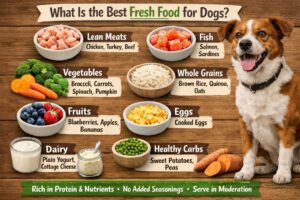
Some dog owners prefer to prepare homemade dog food for their pets. Homemade meals allow owners to choose fresh ingredients and avoid artificial additives.
Common homemade dog food recipes include lean meat, vegetables, rice, and healthy oils. When balanced properly, these meals can provide excellent nutrition.
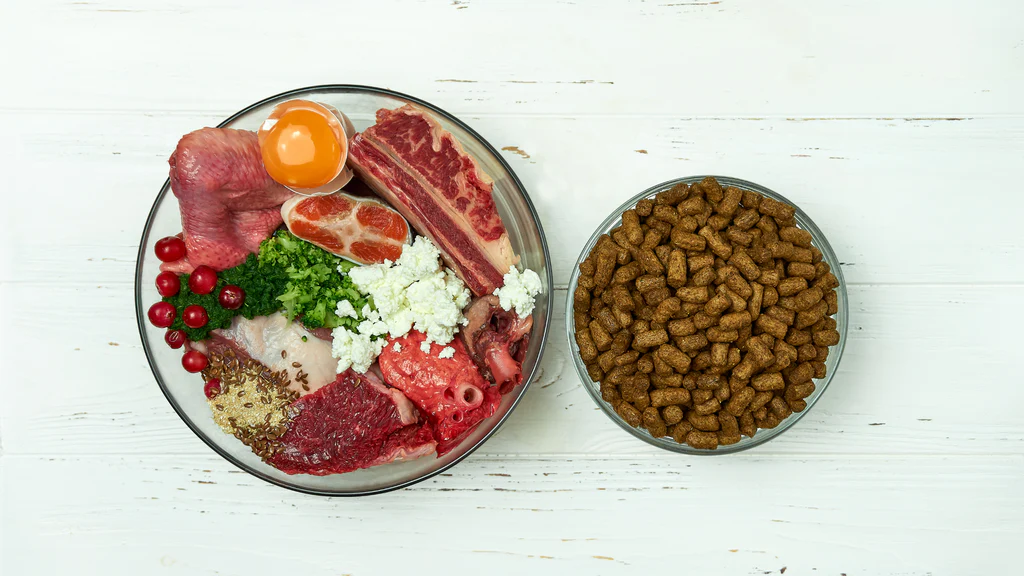
Another option some owners choose is a raw dog food diet. Raw diets usually include uncooked meat, bones, and organs.
Supporters believe this diet is closer to what dogs would eat in nature. However, raw diets require careful planning to ensure balanced nutrition.
Dogs need the right balance of protein, calcium, vitamins, and minerals. Without proper planning, homemade or raw diets may lead to nutrient deficiencies.
It is always a good idea to consult a veterinarian or pet nutrition specialist before switching to a homemade diet.
10. Dog Feeding Schedule and Nutrition Tips
A proper feeding schedule helps maintain healthy digestion and stable energy levels.
Most adult dogs do well with two meals per day, usually in the morning and evening. Puppies often require three to four smaller meals each day.
Portion size should be based on your dog’s age, size, and activity level. Always check feeding guidelines on the dog food package for recommendations.
Fresh water should always be available for dogs. Proper hydration is essential for digestion and overall health.
It is also important to avoid feeding dogs foods that can be harmful. Items like chocolate, grapes, onions, and very fatty foods can be dangerous for dogs.
Following a consistent feeding routine helps keep dogs healthy and energetic.
Final Thoughts
Healthy nutrition plays a major role in your dog’s overall well-being. The food you choose for your pet can affect its energy level, digestion, skin health, and lifespan.
Whether you prefer dry dog food, wet dog food, natural ingredients, or homemade meals, the most important thing is providing balanced nutrition.
Every dog is different. Puppies, adult dogs, and senior dogs all have unique nutritional needs. Active dogs may require more calories, while older dogs may need support for joints and digestion.
By paying attention to your dog’s health and choosing high-quality food, you can help your pet live a longer and happier life.
A well-fed dog is usually a happy dog. With proper nutrition, exercise, and love, your dog can stay healthy and active for many years. 🐶